
The BEST CROCHET HOOKS for BEGINNERS
This reference post is filled with my favorite crochet hooks that I continue to use for both my professional and personal knitting projects. These are also the same brand crochet hooks that I include in all my kits. Feel free to reach out if you have any questions about a specific tool or project.
Check out the other 2 posts in this series here:
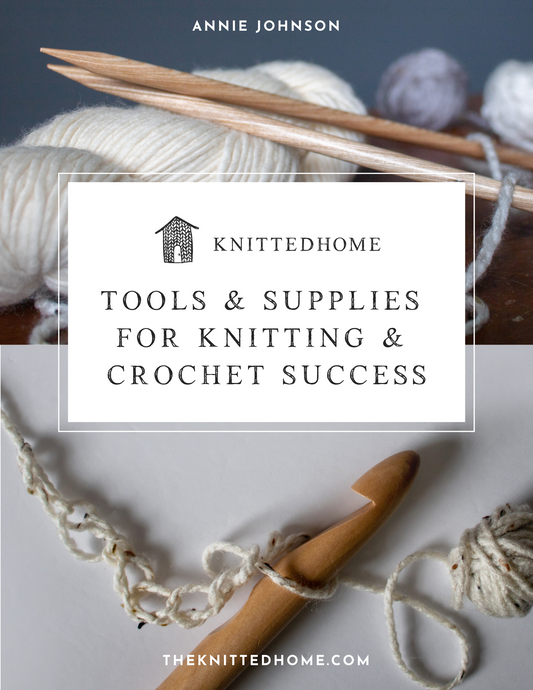
Get more in depth details in my book Tools & Supplies for Knitting + Crochet Success available here.
This post contains affiliate links where I might make a small commission at no cost to you. Thank you for supporting this blog.
1. Crochet Hooks
Susan Bates is by far my favorite brand of crochet hooks, and the best crochet hook for beginners. They have a nice, deep hook which makes it super easy to catch the yarn with each yarn over and it doesn't slip off like other hooks *cough*Boye*cough*.
My great-grandmother had a collection of Susan Bates hooks and these are what I still use to do most of my work. Even most of my other acquired hooks are Susan Bates or a random, very beloved Lion Brand hook. All of these hooks are what’s known as an in-line hook, which gives a deeper, larger catch or hold on the yarn compared to a tapered hook (Boye hooks).
When students are having a difficult time keeping the yarn on their hook, 9 times out of 10, it is because they are using a tapered style hook and the yarn slips out of this shallow hook when they pull the hook through a loop.
2. Material
The material a hook is made out of does have an impact on the ability to pull the yarn through your stitches. I prefer metal because it glides easier and smoother, whereas wooden hooks are good if you like a "sticky" feel with the yarn or your yarn is extra slick.
Plastic hooks are also slightly "sticky" like wood, but I don't find that they glide as nicely as wooden hooks through yarn stitches, probably because wood develops a nice patina from use that makes them extra smooth. Plastic hooks can also catch on yarn fibers if they have rough edges from manufacturing.
3. Tension
Tension is another aspect of how a hook will feel or glide while stitching. If you have "tight" tension this means you hold your yarn very tight in your grip and don't give the yarn much slack as the hook is pulling your loops through the stitches. On the other side, if you allow your yarn to hang too loose, your tension is "loose," and could create large loops in your stitches. Both of these can be remedied by sizing up (for a tight tension) or sizing down (for a loose tensions) or by focusing on controlling your grip on your working yarn.
Tension is not something easily remedied in my experience, but learned with consistent practice.
4. Tapestry Needle
Don't forget a good metal tapestry needle for weaving in ends. Personally, I just use the crochet hook or a smaller one that I was using for my project to pull the tail in and out of the stitches to weave it in.
What are your favorite crochet hooks?
Please let me know in the comments below and Pin the image to bookmark this post if you found this helpful.

I look forward to seeing you on the next post!

Related Products
-
Choosing Your Tools and Supplies for Knitting and Crochet Success
Regular price $24.97Regular price -
Beginner Crochet Round Coasters Pattern
Regular price $5.50Regular price -
Intermediate Crochet Nesting Baskets Bowls Pattern
Regular price $8.50Regular price -
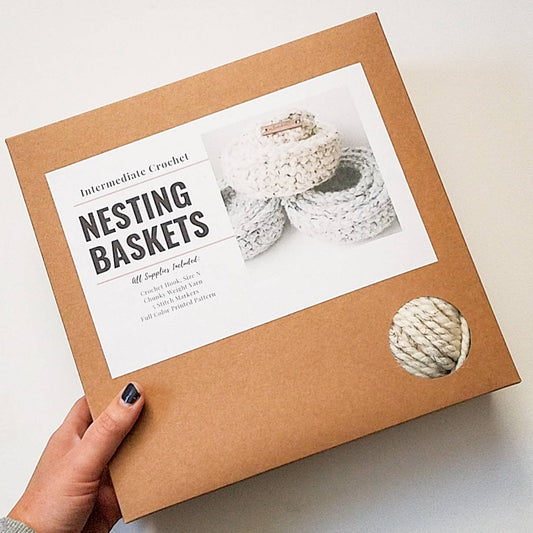
DIY Crochet Nesting Baskets Kit
Regular price $54.50Regular price -
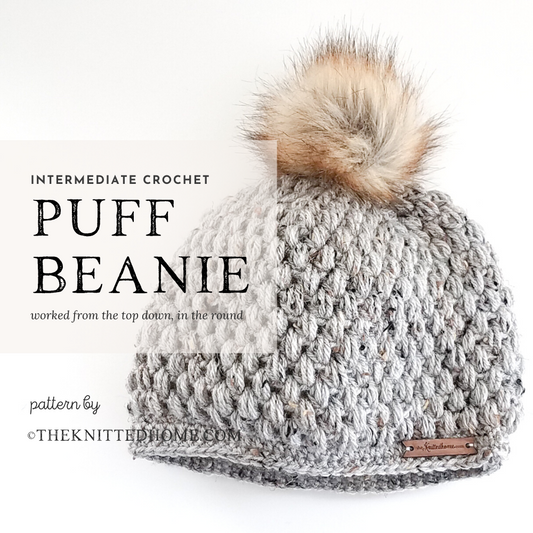
Intermediate Crochet Puff Stitch Beanie Pattern
Regular price $8.50Regular price -
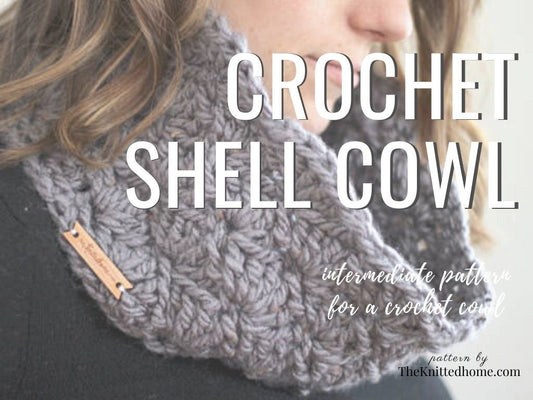
Intermediate Crochet Shell Cowl Scarf
Regular price $5.50Regular price -
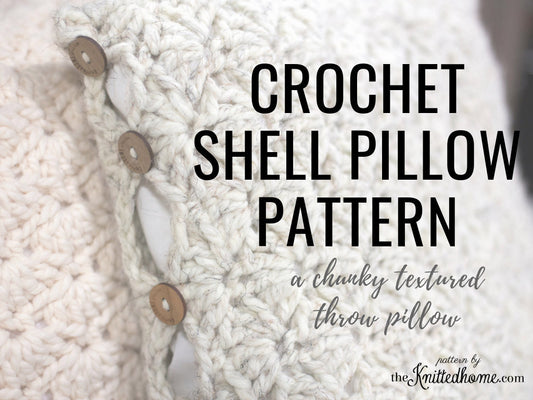
Intermediate Crochet Shell Pillow Cover Pattern
Regular price $8.50Regular price